A Realistic Evening Routine For Better Sleep Habits Checklist For First Time Readers
A practical step-by-step guide to a realistic evening routine for better sleep habits checklist for first-time readers, including preparation, instructions, common issues, tips, and next steps.
A Realistic Evening Routine For Better Sleep Habits Checklist For First Time Readers
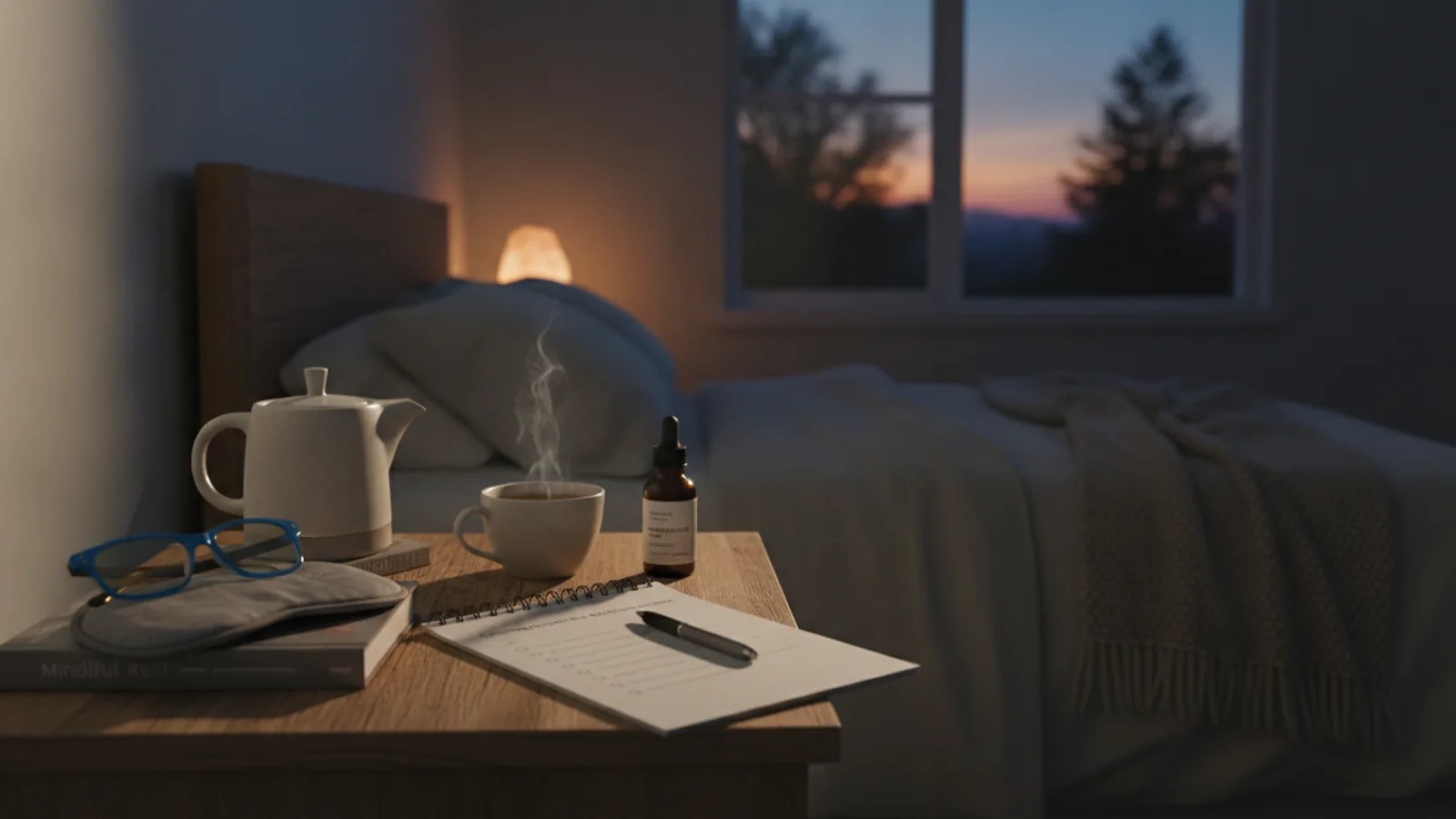
This guide offers a realistic evening routine to help first-time readers build better sleep habits. Instead of a rigid schedule, it focuses on small, manageable steps that signal to your body that it's time to wind down. You'll learn how to ease into relaxation, reduce screen time, create a calming environment, and establish a consistent sleep schedule that fits your life. The routine is designed to be flexible and forgiving, acknowledging that some nights will be harder than others. By the end, you'll have a personalized checklist and practical tips to improve your sleep quality and wake up feeling more refreshed.
Fast Answer
- Start easing into relaxation about 90 minutes before you want to be asleep. Dim the lights, put away screens, and do a calming activity like reading a physical book or gentle stretching.
- Keep a consistent sleep schedule by going to bed and waking up at the same time every day, even on weekends. This helps regulate your body's internal clock.
Before You Start
- Choose a specific bedtime based on when you need to wake up. Aim for 7-9 hours of sleep, and work backwards to determine a realistic time to get into bed.
- Gather or identify your wind-down tools: a physical book or magazine, a journal, comfortable sleepwear, and anything that helps you relax, like a warm drink (non-caffeinated).
- Decide on a digital curfew, at least 30 minutes before your target sleep time. This is when you will turn off phones, tablets, and computers.
- Think about your bedroom environment. Do you have blackout curtains? Is your room a clean, calm space? If not, plan to make small changes like tidying up or adjusting the temperature.
Step-by-Step Instructions
Set a Fixed Bedtime Anchor
About two hours before your planned sleep time, decide on a specific bedtime and set an alarm if needed. This 'bedtime anchor' is a commitment to yourself, not a rigid wall. For example, if you need to wake at 6:30 AM, you might aim for 10:30 PM. Count back to ensure you allow a full 8 hours of sleep. This is your target. Once you set it, communicate it to those you live with so they can support you. A practical check is to look at your schedule for the next day and confirm this bedtime does not conflict with important responsibilities. This matters because your body's circadian rhythm responds well to consistency; a predictable sleep time strengthens your natural sleep-wake cycle, making it easier to fall asleep and wake up naturally over time.
Dim the Lights and Switch to Ambient Lighting
Start your wind-down by dimming the bright overhead lights in your home and using softer, warmer lamps or candles (if safe). This signals to your brain that day is ending. About 90 minutes before bed, avoid bright white light and especially blue light from screens. A practical check is to walk through your main rooms and notice which lights are harsh; replace or dim them. Also, close blinds or curtains to block outside light. This is important because exposure to light, especially blue light, suppresses melatonin, the hormone that regulates sleep. By dimming lights, you allow your body to produce melatonin naturally, making you feel sleepy and ready for rest.
Begin a Digital Sunset Ritual
At least 30 minutes before your bedtime anchor, turn off all screens: your phone, tablet, laptop, and TV. If you use your phone as an alarm, switch it to airplane mode or put it in another room. Instead, engage in a screen-free activity such as reading a physical book, listening to an audiobook with a timer, or doing a simple puzzle. A practical check is to set a timer for 30 minutes and notice if you feel an urge to grab your phone; keep it out of reach. This matters because the blue light from screens stimulates your brain and disrupts melatonin production, making it harder to fall asleep. Also, the content you consume—like news or social media—can keep your mind active and increase anxiety.
Do a Gentle Body Wind-Down
Spend about 10-15 minutes doing gentle stretches or focusing on your breathing. You can sit on the floor or the edge of your bed and stretch your neck, shoulders, and legs. Or, practice a simple breathing exercise: inhale for four counts, hold for four, exhale for four, and hold for four (box breathing). A practical check is to notice any tension in your body—your jaw, shoulders, or hands—and consciously relax those areas. This is important because physical tension and a racing mind are common barriers to sleep. Gentle movement and breathing help activate your parasympathetic nervous system, which promotes calm and prepares your body for rest, lowering heart rate and blood pressure.
Prepare Your Bedroom for Sleep
When you are ready to sleep, ensure your bedroom is a sanctuary. The ideal temperature is slightly cool, around 65 degrees Fahrenheit (18 degrees Celsius), but adjust to your personal preference. Use comfortable bedding and consider a weighted blanket if it helps. Make the room as dark as possible by using blackout curtains, an eye mask, or a sleep mask. Also, minimize noise with earplugs, a white noise machine, or a fan. A practical check is to lie on your bed and glance around: are there any lights from chargers, electronics, or outside? Cover them. This matters because your brain associates darkness with sleep, and a cool, quiet environment reduces sleep disruptions, helping you stay asleep through the night.
Perform a 'Brain Dump' and Read for 10 Minutes
After you are in bed, take out a journal and spend 2-3 minutes writing down any lingering thoughts, worries, or to-do items. This 'brain dump' helps clear your mind. Then, switch to reading a physical book or magazine for about 10 minutes. Choose something light and enjoyable, not too exciting or stressful. A practical check is to set a limit: read until you feel drowsy, but not for more than 20 minutes. This matters because writing down thoughts prevents them from circulating in your head while you try to sleep, reducing anxiety. Reading a low-key book can also ease you into a state of relaxation, distracting from daytime stressors and making it easier to drift off.
Quick Reference
| Situation | Action | Why it helps |
|---|---|---|
| Checking your work email or social media in bed. | Put your phone in another room or a drawer, and use a standalone alarm clock if needed. Commit to a digital curfew 30 minutes before bed. | The blue light and stimulating content can delay sleep onset and reduce sleep quality. |
| Feeling restless at 2 AM with a racing mind. | Get out of bed, go to a dark room, and do a quiet activity like reading or listening to calm music for 15 minutes, then return to bed. | Staying in bed awake links bed with wakefulness; a brief break can help you associate bed with sleep again. |
| You have a big presentation tomorrow and can't stop thinking about it. | Write down your specific worries and a simple action plan for the morning. Then, intentionally visualize the steps you will take from bed to the presentation. | Externalizing thoughts reduces rumination, and visualizing a plan gives your mind a sense of control, reducing anxiety. |
Common Issues
- You feel too stressed to fall asleep even after following the routine.: Add a longer wind-down period. Start an hour earlier, and incorporate a relaxing activity you enjoy, like taking a warm bath or listening to soft music. You might also try a progressive muscle relaxation script or a meditation audio.
- You keep waking up in the middle of the night.: Ensure your room is completely dark and cool. Consider a white noise machine. Also, avoid drinking fluids close to bedtime to reduce nighttime bathroom trips. If you wake, stay in bed, relax, and breathe deeply; don't turn on bright lights.
- You feel tired the next day despite sleeping 8 hours.: Check if you have consistent sleep and wake times, as irregular patterns disrupt sleep quality. Also, limit alcohol and caffeine in the evening, and assess if your mattress and pillows are comfortable and supportive.
Advanced Tips
- Expose yourself to natural sunlight within 30 minutes of waking to help anchor your circadian rhythm.
- Keep a sleep diary for at least two weeks to identify patterns and what helps or hinders your sleep.
- Use your bed only for sleep and intimacy, so your brain forms a strong association between bed and slumber.
Final Checklist
- Have you set a fixed bedtime and wake time that allows for 7-9 hours of sleep?
- Are all screens turned off at least 30 minutes before you plan to sleep?
- Is your bedroom cool, dark, and quiet enough to promote uninterrupted sleep?
- Did you do a relaxing pre-sleep activity like stretching, reading, or journaling?
FAQ
Is it okay to have a nap during the day?
Napping can be fine, but keep it short (20-30 minutes) and avoid napping late in the afternoon, as this can interfere with your evening routine. If you have insomnia, it's best to avoid naps entirely until your sleep improves.
How long should I follow this routine before I see improvements?
Most people notice improvements within a few days to a week, but consistently following the routine for at least two weeks is recommended. Your body's circadian rhythm needs time to adjust to the new pattern. Be patient and keep tweaking the routine to fit your lifestyle.
What if I have to work night shifts?
If you work night shifts, do your best to create a dark, quiet sleep environment during the day. Use blackout curtains and a white noise machine. Stick to a consistent schedule even on days off, and mimic a morning routine (like exposure to bright light) when you wake in the evening.