A Food And Symptom Note For Everyday Digestion Checklist For First Time Readers
A practical step-by-step guide to a food-and-symptom note for everyday digestion checklist for first-time readers, including preparation, instructions, common issues, tips, and next steps.
A Food And Symptom Note For Everyday Digestion Checklist For First Time Readers
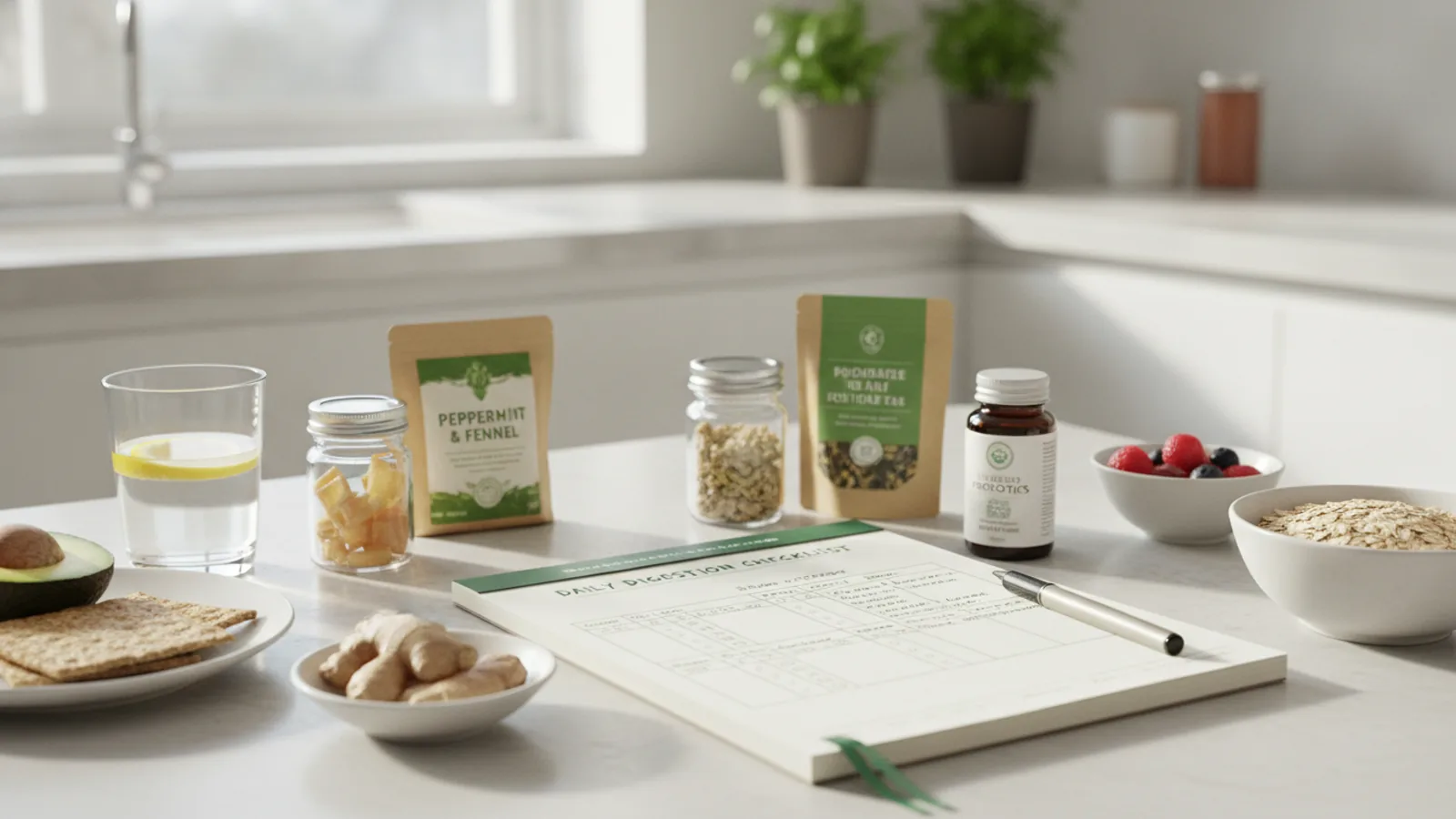
This guide helps first-time readers create a simple food-and-symptom note to track daily eating and digestion. By recording meals, drinks, and how you feel, you can spot patterns and make gentle changes. The checklist format is easy to start and keep up, even with a busy day. You will learn how to prepare, what to record, and how to read your notes for useful clues.
Fast Answer
- Write down everything you eat and drink for each meal and snack, along with the time and portion size, then add any digestive symptoms you feel within a few hours.
- Use a simple notebook or a notes app on your phone; keep the same format each day so you can compare entries and spot trends easily.
Before You Start
- Choose a dedicated notebook or a digital note that you can keep with you all day. Pick a place where you will see it often, like next to your coffee maker or in your bag.
- Decide on a simple template with columns for time, food or drink, portion size, and symptoms. Print it or draw it on a page so you can fill it in quickly.
- Set a reminder on your phone or watch to nudge you after each meal, or tie the habit to an existing routine, like brushing your teeth or returning from a break.
- Gather a small pen or pencil that you like, and keep it with your note. If you prefer digital, make sure your note app is easy to open with one tap.
Step-by-Step Instructions
Set Up Your Daily Note with a Clear Header
Start each day by writing the date at the top of your note. This tells you which entry goes with which day, so you can look back later and see patterns over weeks. Then create a simple table or list with four columns: time, food or drink, portion, and symptom. Keep the columns narrow so you do not spend too long writing. If you miss a line, do not worry; just leave it blank and continue. A clean header helps you stay organized and makes it easy to flip back to a specific day. Before you begin, place your note and pen where you can see them, like on the kitchen counter or by your bed. This physical reminder helps you remember to write after each meal.
Log Your Meals and Snacks as You Eat
Right after you finish eating, write down what you had, including drinks like coffee, tea, juice, or alcohol. Be specific: instead of 'salad', write 'mixed greens with tomatoes, cucumbers, and olive oil dressing'. Estimate the portion in simple terms, like 'one bowl' or 'two slices'. This detail helps you notice if a certain food or amount triggers discomfort. Write the time, even if it is approximate, because digestion timing matters. Try not to rely on memory at the end of the day; recording as you go gives a more accurate picture. If you skip writing right away, you might forget the exact ingredients or portion, which makes it harder to find patterns. Accuracy is the key to a useful note.
Record Your Digestive Symptoms Immediately
Whenever you feel a symptom such as bloating, gas, stomachache, heartburn, nausea, or a change in bowel habits, jot it down right away. Write the time, the symptom, and how strong it feels on a scale from one to five, where one is mild and five is severe. Also note what you were doing, like sitting at a desk or walking, because activity can affect digestion. Do not wait until the end of the day, as memory fades and you might mix up symptoms or times. This immediate record helps you see which meal or snack is connected to your discomfort. It also helps you notice if symptoms appear on a delay, such as two hours after eating. That timing is a valuable clue for your own awareness.
Review Your Notes at the End of the Day
Before you go to bed, spend two minutes reading what you wrote. Look for any symptom that appeared more than once that day, and check what you ate or drank a few hours before. For example, if you had gas in the afternoon, did you eat a bean salad at lunch? Or if you felt heartburn after dinner, did you have a spicy dish or lie down soon after eating? This review does not need to be long, just a quick scan. The goal is to connect events, not to judge yourself. Writing in the evening also helps you remember to bring your note to the next day. Over time, you will start to see patterns, like a certain food always causing discomfort. That awareness is the first step toward making simple changes that feel right for you.
Look for Patterns Over the Week
Once a week, take ten minutes to flip through your notes and look for repeated links between what you ate and your symptoms. For example, you might notice that every time you have dairy milk, you feel bloated within an hour. Or that spicy meals sometimes lead to heartburn. You may also see that symptoms are worse when you eat large meals quickly. To find patterns, circle or highlight the symptoms that stand out and then look back at the food columns for that day. Write down one or two observations on a separate page. This habit turns raw data into useful insight. Remember that patterns are not proof; they are clues. You can use them to experiment with small changes, like eating a smaller portion or trying a different food, to see what happens.
Adjust Your Diet Gently Based on Findings
When you spot a likely trigger, do not eliminate everything at once. Instead, choose one food or drink to test for a few days. For example, if you think cow's milk is causing bloating, try a lactose-free version or a plant-based alternative for a week, and keep logging how you feel. Change only one thing at a time so you know what is causing the difference. If your symptoms improve, you can decide whether to keep the change or speak to a professional. If they do not improve, try another possible trigger, like a high-fiber snack or a carbonated drink. Always pay attention to how your body responds, and do not be afraid to go back to your usual diet if you feel unwell. The note is your personal experiment journal.
Quick Reference
| Situation | Action | Why it helps |
|---|---|---|
| You just finished a large lunch and feel bloated within an hour. | Write down the time, what you ate, and the bloat level, then take a short walk for ten minutes to help digestion. | Recording right away captures details you might forget, and gentle movement can ease bloating while giving you a clear log. |
| You ate a spicy dinner and now have heartburn before bed. | Log the spicy dish, note the heartburn level, and avoid lying down for at least two hours after eating. | Staying upright helps prevent stomach acid from moving up, and your note connects the food to the symptom for future reference. |
| You feel gassy after an afternoon snack of beans or broccoli. | Record the snack and gas level, and try a smaller portion next time or pair it with a digestive-friendly drink like water. | You will see if portion size matters, and staying hydrated can ease gas, while your log helps you confirm the trigger. |
Common Issues
- Forgetting to write after each meal, so you lose track by evening.: Set a recurring timer on your phone for 30 minutes after typical meal times, or place your note next to your plate. If you miss one entry, just write what you remember with a note that it is approximate.
- Symptoms vary so much that you cannot see any pattern after a week.: Keep logging for at least two weeks to gather more data. Also, add more detail to your food entries, like condiments and cooking methods, because even small items can matter.
- Feeling overwhelmed by too many details and giving up.: Simplify your format to just time, food, and a symptom word. You do not need to measure everything. Start with a minimal note and add detail only if you need it.
Advanced Tips
- Track your water intake in the same note, as dehydration can affect digestion and cause constipation or bloating. Just add a column or use a simple tally.
- Include your stress level at each meal, since stress can change how your digestive system behaves. A simple scale from one to five is enough.
- Review a full month of notes to see if symptoms are linked to certain days of the week, like busy workdays, which might change your eating speed or choices.
Final Checklist
- Prepare your note and pen or phone before you start, and keep them in a place you will see.
- Log every meal, snack, and drink with a time and a simple portion estimate.
- Write down each digestive symptom as soon as it happens, with a severity level.
- Review your notes daily and weekly to spot patterns, then test one change at a time.
FAQ
How long do I need to keep this food and symptom note?
Aim for at least two to four weeks to see reliable patterns. Some people find that a month gives enough information to understand their digestion. You can stop when you feel confident about your triggers, but you can also keep it going as a habit if it helps you feel in control.
What should I do if I notice a clear trigger food?
Try removing that specific food for a week while continuing your notes to see if symptoms improve. If they do, you may choose to avoid it or eat it less. If symptoms do not change, reintroduce the food and explore other possible triggers. If symptoms are severe, talk to a doctor.
Can this note replace a visit to a doctor or dietitian?
No. A note is a record, not a diagnosis. It can give you useful clues to share with a professional, but it should never be used to self-treat unexplained or severe symptoms. Always consult a healthcare provider for persistent or concerning issues.