Common Mistakes When Planning Comparing Wellness Products Without Medical Claims
A practical step-by-step guide to common mistakes when planning comparing wellness products without medical claims, including preparation, instructions, common issues, tips, and next steps.

Common Mistakes When Planning Comparing Wellness Products Without Medical Claims
When comparing wellness products that avoid medical claims, people often get distracted by marketing buzzwords, conflicting reviews, and unclear ingredient lists. This guide outlines the common mistakes made during planning, such as overlooking personal health context, misunderstanding product categories, and failing to track measurable outcomes. It provides a clear framework to compare products fairly based on your specific needs, safety considerations, and realistic goals. By following these steps, you'll make informed decisions without relying on unverified claims.
Fast Answer
- Start by defining your wellness goals and sticking to lifestyle-based criteria that focus on how a product fits your routine, rather than chasing vague promises.
- Compare products side by side using clear categories like ingredients, usability, and cost-per-use, while noting where evidence is missing.
Before You Start
- Write down your top three wellness goals and any current health concerns or allergies that could affect product choice.
- Gather details about your daily schedule, budget limits, and preferred formats (e.g., powders, apps, or devices).
- Identify which product features are must-haves versus nice-to-haves, and think about how you'll measure success.
- Review reputable sources for each candidate product, such as independent lab reports or user testimonials, and note any red flags.
Step-by-Step Instructions
Define Your Wellness Objectives
Start by clarifying exactly why you want a wellness product. Are you aiming for better sleep, more energy, improved focus, or something else? Write down your top three goals and rank them by importance. Then, for each goal, describe what a successful outcome would look like in measurable terms—for example, falling asleep within 20 minutes or feeling clear-headed for three hours after lunch. This step is crucial because without concrete objectives, any product seems equally valid, leading to poor choices. Many people jump into browsing without knowing their target, and they end up choosing products that address unrelated needs. By defining your goals first, you create a filter that eliminates irrelevant options quickly. It also helps you communicate clearly with a healthcare professional if you decide to consult one. Take ten minutes to write these goals down and revisit them whenever you evaluate a new product.
List Your Constraints and Preferences
Before comparing products, inventory your personal boundaries. Note any allergies, dietary restrictions, or sensory sensitivities. Think about your daily routine: do you travel often, have limited kitchen space, or need something portable? Also consider your budget in terms of what you are comfortable spending monthly, not just the upfront cost. Write down your preferred format—powders, capsules, apps, or devices—and any usage limits (e.g., 'I can only commit to five minutes per day'). Understanding these constraints early prevents you from falling for products that look good on paper but fail in your real life. For instance, a supplement with a strong odor might be perfect for one person but intolerable for you. Similarly, a device that requires charging every night could be impractical if you often forget. By listing constraints, you create a checklist to apply to every candidate, saving time and reducing later disappointment.
Research Product Categories and Evidence
Now that you know your goals and constraints, learn about the types of wellness products that might help. For each category—whether it’s herbal supplements, mindfulness apps, wearable devices, or massage tools—seek out independent research from scientific journals, consumer reports, or trusted health organizations. Look for systematic reviews or meta-analyses that summarize studies, not just single anecdotes. Pay attention to the quality of evidence: randomized controlled trials are stronger than case studies. Also, note what is missing. Many wellness products lack rigorous studies, so you’ll have to weigh the risk. For example, a meditation app has strong evidence for stress reduction, but a special water bottle likely has none. As you research, create a simple table with columns for product, evidence level, side effects, and user satisfaction. This step ensures you are comparing products on a level playing field rather than being swayed by flashy marketing.
Compare Product Features and Costs
With your research, you can now compare the shortlisted products objectively. Create a spreadsheet or use a paper grid with each product as a column. On the rows, list features that matter to you: ingredient quality, dosage, ease of use, warranty, customer support, and any specific claims. Also, calculate the total cost of ownership over a year, including refills or subscriptions. This helps avoid the trap of a low upfront price that becomes expensive later. Be cautious of 'money-back guarantees'—they don’t guarantee satisfaction. Instead, look for return policies and read the fine print. Also, compare the amount of active ingredient or the features you actually need; more is not always better. For example, a device with ten modes might be less intuitive than one with three essential modes. Use your constraint list to eliminate options that fail any function. The goal is to pick the product that fits your life, not the one with the longest specification sheet.
Evaluate the Quality of Reviews and Sources
User reviews are helpful but can be misleading. Identify reviews that are detailed, specific, and balanced—they mention both pros and cons. Be wary of overly positive reviews that sound like advertisements, and check if reviewers are verified purchasers. Look for patterns: if many people mention a specific side effect or defect, it’s likely real. Also, consider the source of the review. Independent forums are more trustworthy than the product’s website. Cross-reference reviews across multiple platforms to see if opinions are consistent. Additionally, you can check the Better Business Bureau or similar organizations for complaint history. Remember that a product might work for others but not you, so read reviews through the lens of your constraints. For instance, a supplement praised by athletes might not suit someone with a sedentary job. Use reviews to identify potential deal-breakers, not to prove efficacy.
Make an Informed Decision and Track Outcomes
After completing your comparison, choose the product that best aligns with your goals, constraints, and research findings. Before starting, define clear baseline measurements—like your current energy level on a scale of 1-10 or your bedtime. Then, use the product consistently for a trial period of at least two to four weeks. Keep a simple journal of your experience, noting any changes, side effects, or interactions. Be honest: if the product doesn’t deliver or causes issues, stop using it and reassess. This real-world test is the final step in your planning, because it validates your choice in your unique situation. Many people skip this step and then wonder why a product didn’t work—often because they didn’t give it a fair trial or didn’t measure anything. Tracking outcomes also helps you decide whether to continue, switch, or try a different approach. Always consult your healthcare provider before making significant changes.
Quick Reference
| Situation | Action | Why it helps |
|---|---|---|
| You're comparing two similar products with different ingredient lists. | Compare dosages per serving and look up each ingredient in a reputable database to see if the amount matches effective research levels. | The amount of active ingredient matters greatly; a product might contain a substance but in an insufficient dose, making it ineffective. |
| A product promises an outcome that seems too good to be true. | Search for independent studies or clinical trials behind the claim and see if any regulatory body has issued warnings about it. | Unrealistic claims usually lack evidence, and checking for regulatory warnings helps avoid products that are unsafe or misleading. |
| You have a medical condition and aren't sure if a wellness product is safe. | Make a list of the product's ingredients or features and review it with your doctor or pharmacist before trying it. | Your healthcare provider knows your medical history and can spot potential interactions or side effects that generic advice might miss. |
Common Issues
- Relying on price as the main indicator of quality.: Research ingredients, manufacturing standards, and user reviews to determine value. A higher price might reflect marketing, not quality.
- Ignoring your own lifestyle when choosing a product format.: Consider your daily routine, travel habits, and time available. If you're always on the go, a portable snack or compact device might be better than a bulky kit.
- Falling for false urgency like 'limited time offer' or 'only a few left'.: Take a step back and evaluate the product on its merits. If it's worth it, you can often find similar alternatives; don't let pressure dictate your decision.
Advanced Tips
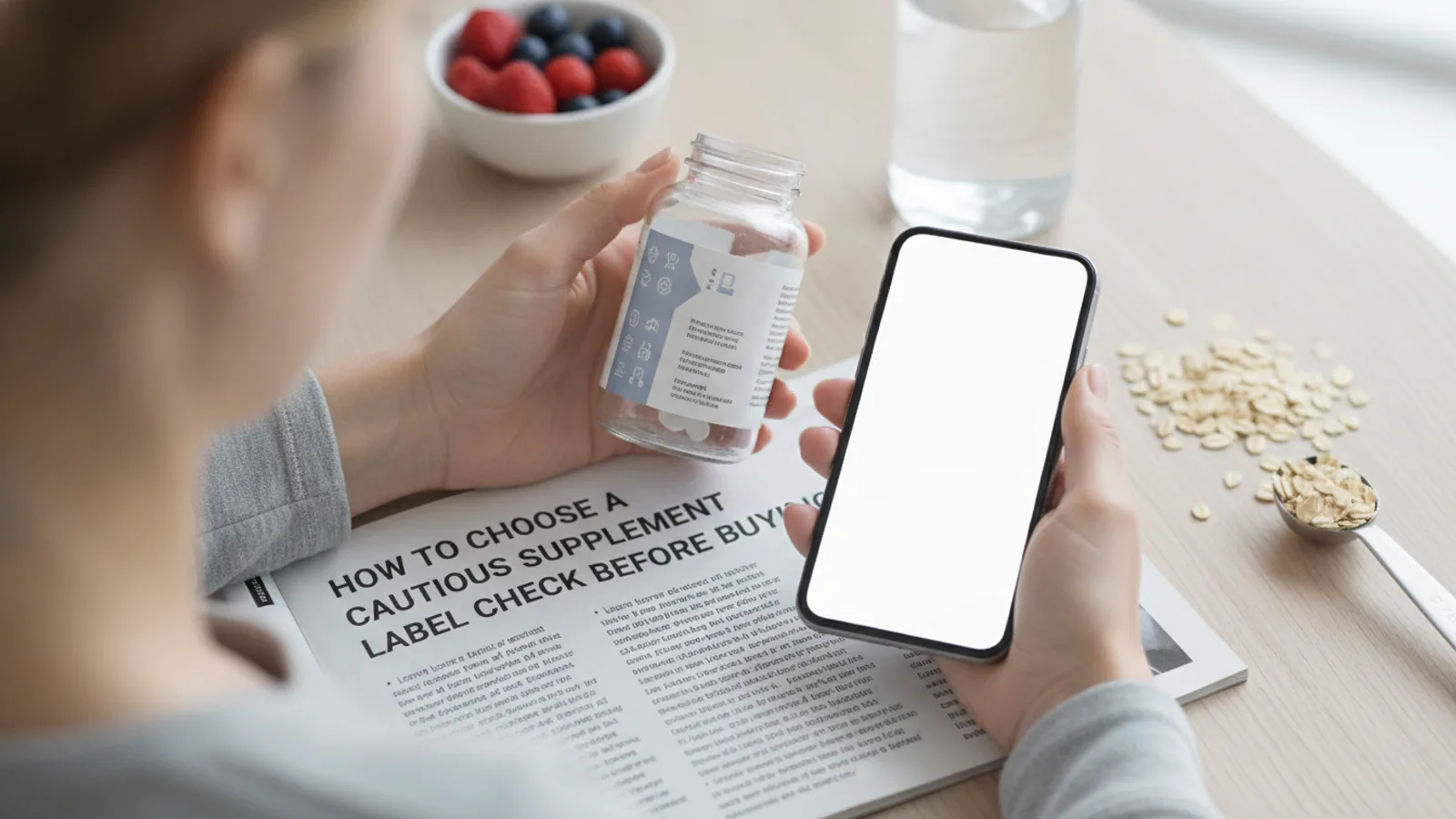
- Look for third-party certifications like NSF International, USP, or ConsumerLab, which verify product quality and purity, but still check their latest reports.
- Consider the environmental impact of products, such as packaging waste or energy use, if sustainability is one of your personal values.
- Keep a detailed log of your product trial, including dates, dosages, and any symptoms, to share with your healthcare provider if needed.
Final Checklist
- I have written down my wellness goals and constraints, including allergies and daily schedule.
- I researched what credible evidence exists for each product class, and I noted any missing research.
- I compared products by cost-per-use, ingredient quality, and user reviews from independent sources.
- I planned a trial period with measurable tracking to decide whether the product truly works for me.
FAQ
What is the most common mistake people make when comparing wellness products?
The most common mistake is comparing products without a clear set of personal goals and constraints. Without these, you can be swayed by marketing or assume more expensive means better. Always define what success looks like for you and what your limitations are first.
How can I verify if a wellness product works without medical claims?
Look for independent research, user testimonials that are specific and balanced, and any third-party testing. Remember that many lifestyle products have limited evidence, so be honest about the level of uncertainty and track your own outcomes during a trial period.
What should I do if I notice adverse effects after starting a wellness product?
Stop using the product immediately and consult your healthcare provider. Keep a record of when the symptoms started and what you were doing. Also, report the reaction to the product's manufacturer or a relevant health agency so others can be warned.