What To Check Before Building A Gentle Midlife Movement Routine
A practical step-by-step guide to what to check before building a gentle midlife movement routine, including preparation, instructions, common issues, tips, and next steps.
What To Check Before Building A Gentle Midlife Movement Routine
A gentle midlife movement routine should honor your changing body, not punish it. Before you start, you need to assess your current health status, understand your past exercise history, set realistic goals, and choose activities that feel good. This guide walks you through the essential pre-build checks so you create a sustainable, enjoyable routine that supports your joints, heart, and mood—without overdoing it.
Fast Answer
- Check with your doctor or physical therapist for any restrictions, then start with low-impact activities like walking, swimming, or chair yoga.
- Assess your current fitness level with simple tests (e.g., how long you can stand on one leg), then plan for gradual progress, not perfection.
Before You Start
- Gather your medical history and get clearance from a healthcare provider if you have chronic conditions, recent injuries, or take medications that affect balance or heart rate.
- Reflect on what you enjoy and what has worked in the past—movement doesn't have to be gym-based; gardening, dancing, or walking with a friend count.
- Set realistic, specific goals like 'walk 15 minutes after lunch' rather than 'get fit,' and plan to schedule your movement like any important appointment.
- Choose clothing and footwear that provide support and comfort, and pick a time of day when you have energy; also, prepare a water bottle and a quiet space for breathing exercises.
Step-by-Step Instructions
Consult with a Healthcare Professional
Before you plan any routine, schedule a check-up or a phone call with your doctor or a physical therapist. Explain that you want to build a gentle movement routine and ask if you have any restrictions, such as not lifting heavy weights or avoiding high impact. Bring a list of your current medications and any past injuries. This professional clearance is your safety baseline. It helps you avoid worsening an undiagnosed condition like high blood pressure or osteoarthritis. If you are over 45 or have been sedentary, this step is non-negotiable. Your provider can also suggest specific resources, such as physiotherapy, if you have joint issues. Write down their recommendations and use them as a guide. Do not skip this, even if you feel fine—many midlife health conditions are silent. Once you have the green light, you can proceed with confidence, knowing your plan is tailored to your body's needs.
Evaluate Your Current Fitness Level
Take a simple self-assessment to see where you are today. For example, measure how long you can balance on one leg with support, how many chair squats you can do in 30 seconds, or how far you can walk in 10 minutes without getting out of breath. Record these numbers in a notebook or an app. This baseline is your starting point, not a judgment. It helps you choose exercises that are appropriately challenging without being too hard. If you cannot do a chair squat, start with sit-to-stand exercises from a higher chair. If walking causes pain, consider swimming or cycling. Also, take note of your resting heart rate in the morning and any aches. Reassess every 4 weeks to see progress. This check ensures you are working at a level that builds strength and endurance safely, reducing injury risk. Remember, comparison with others is irrelevant; you are measuring against yourself, and improvement is your only goal.
Define Your Personal Movement Vision
Spend time thinking about what you genuinely enjoy and what you want to achieve. Do you want to improve energy, sleep, mood, flexibility, or strength? Write down three specific, positive outcomes, such as 'walk up stairs without huffing' or 'bend down to garden without back pain.' Then think about activities that make you feel alive—maybe dancing in the kitchen, hiking with a friend, or practicing yoga. Avoid choosing activities you think you 'should' do if you dread them. This vision guides your routine so it feels like self-care, not a chore. For each activity, consider the practical details: do you have the time in the morning? Is there a class nearby or online? What equipment do you need? This clarity prevents you from starting with too many activities and burning out. A clear vision also helps you make decisions, like taking the stairs vs. the elevator, later.
Design Your Routine with Gradual Progression
Using your fitness baseline and vision, create a weekly schedule that includes 150 minutes of moderate aerobic activity spread over 3–5 days, such as brisk walking, plus two days of strength training with light weights or resistance bands, and one day of flexibility work like stretching or yoga. But go even gentler at the start: begin with just 10–15 minutes per session and increase by 10% each week. For example, if you walk for 10 minutes this week, next week aim for 11 minutes. Listen to your body—if you are very tired, reduce. Plan rest days between strength sessions. Write your schedule in a planner or use a simple app to track your sessions. This gradual approach prevents injury and builds a habit. Remember, consistency beats intensity. Also, incorporate movement into daily life, like taking a short walk after meals. This step turns your vision into a concrete, doable plan.
Gather Your Minimal Necessary Equipment
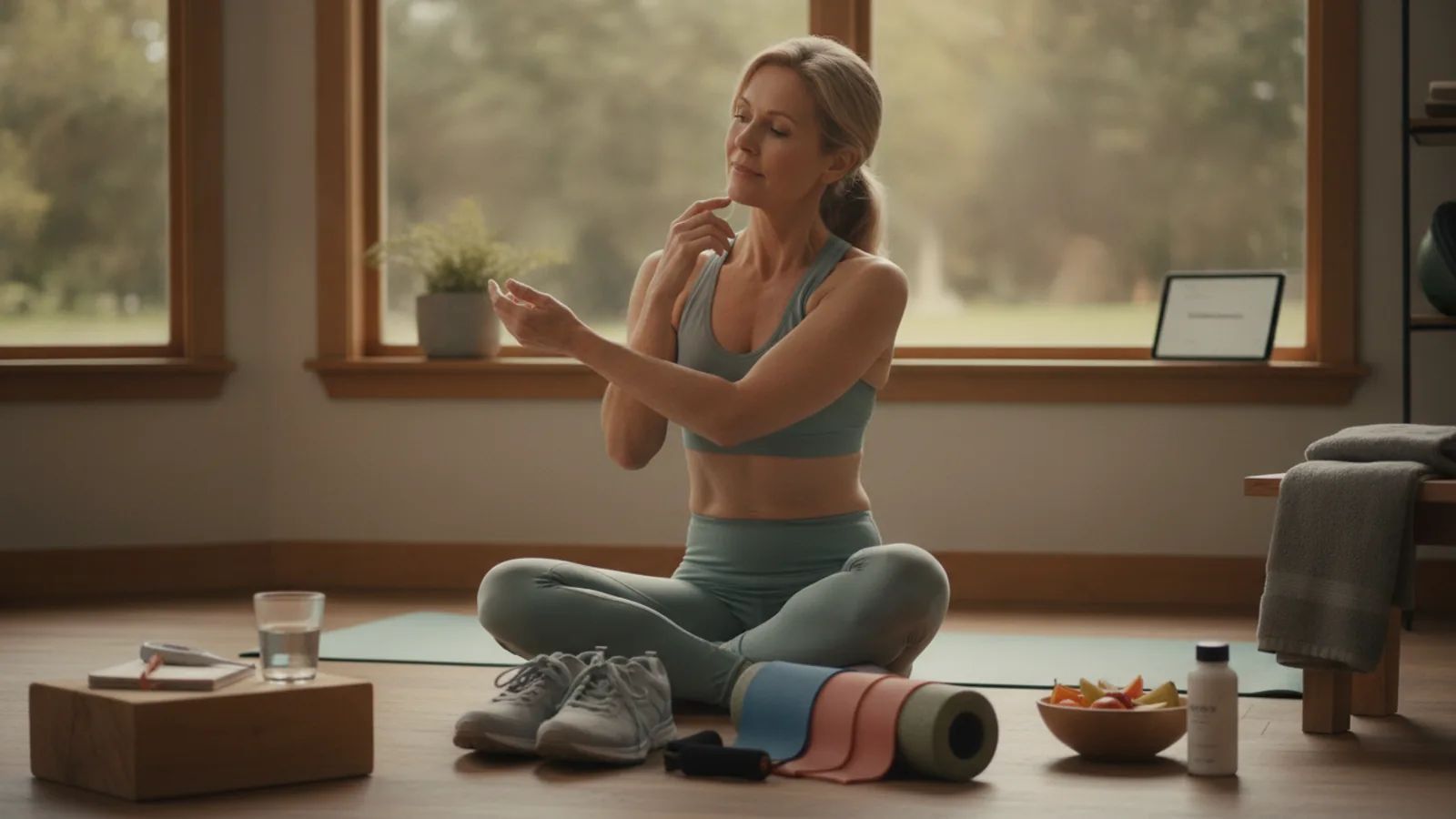
You do not need a gym or fancy gear. At a minimum, you need comfortable clothing, supportive shoes for walking, a yoga mat or flat surface, a chair for exercises, and possibly light dumbbells or resistance bands. Before you buy anything, start with what you have: a can of soup as a weight, a towel for stretching, and a counter for balance. For walking, just ensure your shoes are in good condition—if they are worn unevenly, consider replacing them. Think about where you will do the routine: a local park, your living room, or a fitness center. If you use online videos, choose ones that are clearly for beginners and gentle. Ensure you have water nearby. This step removes excuses and ensures you can start immediately without waiting for shipments. Remember, the equipment is a tool, not a driver—you are the active ingredient.
Set Up Your Success Environment
Prepare your environment to make movement easy and enjoyable. Lay out your exercise clothes the night before, keep your sneakers by the door, and create a designated space in your home with your mat and weights. If you exercise early, set a calming alarm and maybe a stretching playlist. If you prefer evening, keep a go-to routine ready after dinner. Remove barriers: if you think you don't have time, schedule it on your calendar and treat it as a meeting. Also, consider an accountability partner—a friend or a spouse—who can join you or simply check in. Set up small rewards for consistency, like a relaxing bath after a week of walks. This environment nudges you to follow through, even on low-motivation days. It also signals to your brain that movement is a valued part of your day. This check makes the switch from planning to doing much easier.
Quick Reference
| Situation | Action | Why it helps |
|---|---|---|
| You feel joint pain during a weight-bearing exercise like walking | Switch to a non-weight-bearing activity such as swimming, stationary cycling, or chair exercises, and check with your healthcare provider. | Non-weight-bearing activities reduce stress on joints, allowing you to maintain fitness without aggravating pain. |
| You feel dizzy or lightheaded when getting up from the floor | Move slowly, use a chair for support, and break transitions into smaller steps (sit, wait, then stand). | Gradual position changes help your body adjust blood pressure, reducing falls and injury risk. |
| You are too stiff to do morning stretches | Do a 5-minute warm-up like walking in place or arm circles before stretching, then stretch gently. | Warm muscles are more pliable, so pre-stretching cardio improves flexibility and reduces strain. |
Common Issues
- Lower back pain after doing core exercises: Perform exercises on your side or standing, avoid full sit-ups, and focus on gentle abdominal bracing. Start with pelvic tilts and gradually increase. If pain persists, see a physiotherapist for a tailored core program.
- Feeling exhausted after every session: Check your intensity using the talk test. Slow down and shorten your sessions to 10 minutes. Also, ensure you are getting enough sleep and hydration. Consider alternating days with walking and strength to allow recovery.
- Skin irritation or chafing when exercising: Wear moisture-wicking fabrics and apply a barrier cream to areas that rub. Choose seamless clothing and ensure your shoes fit well. After exercise, shower promptly and dry thoroughly. If irritation worsens, consult a dermatologist.
Advanced Tips
- Incorporate eccentric exercises (slow lowering of weights, such as slowly lowering to a squat) to build strength while being kind to joints, but start with light resistance.
- Use 'tempo' training: count to 3 while lifting and 5 while lowering. This increases muscle time under tension, boosting strength without heavy weights.
- Add a mindful breathing session (e.g., 5 minutes of slow, diaphragmatic breathing) after your movement to reduce stress and improve recovery.
Final Checklist
- I have consulted a healthcare professional and have their clearance or guidance.
- I have completed a baseline self-assessment and recorded my starting fitness levels.
- I have set three specific, realistic goals and chosen activities I genuinely enjoy.
- I have planned my weekly schedule with gradual progression and prepared my movement space with minimal equipment.
FAQ
What if I've been inactive for years? Is it too late to start?
It's never too late, but start very gently. Resume with walking for 5 minutes a day or chair exercises. Let your body guide you: if you feel pain or extreme fatigue, reduce. Build up over weeks. Also, get medical clearance first. Consistency at any intensity is beneficial.
How can I stay motivated when exercise feels like a chore?
Choose activities that bring you joy, like dancing or nature walks. Set up an accountability buddy, track your progress, and celebrate small wins. Remind yourself of your 'why'—such as more energy or better sleep. Also, allow flexible timing: fitting movement in bursts is fine.
Do I really need to see a doctor before doing gentle exercise?
For most people, yes, especially if you are over 45, have a chronic condition, or have been inactive for a long time. A healthcare provider can screen for hidden risks and give you personalized guidance. It's a small step that ensures you exercise safely.