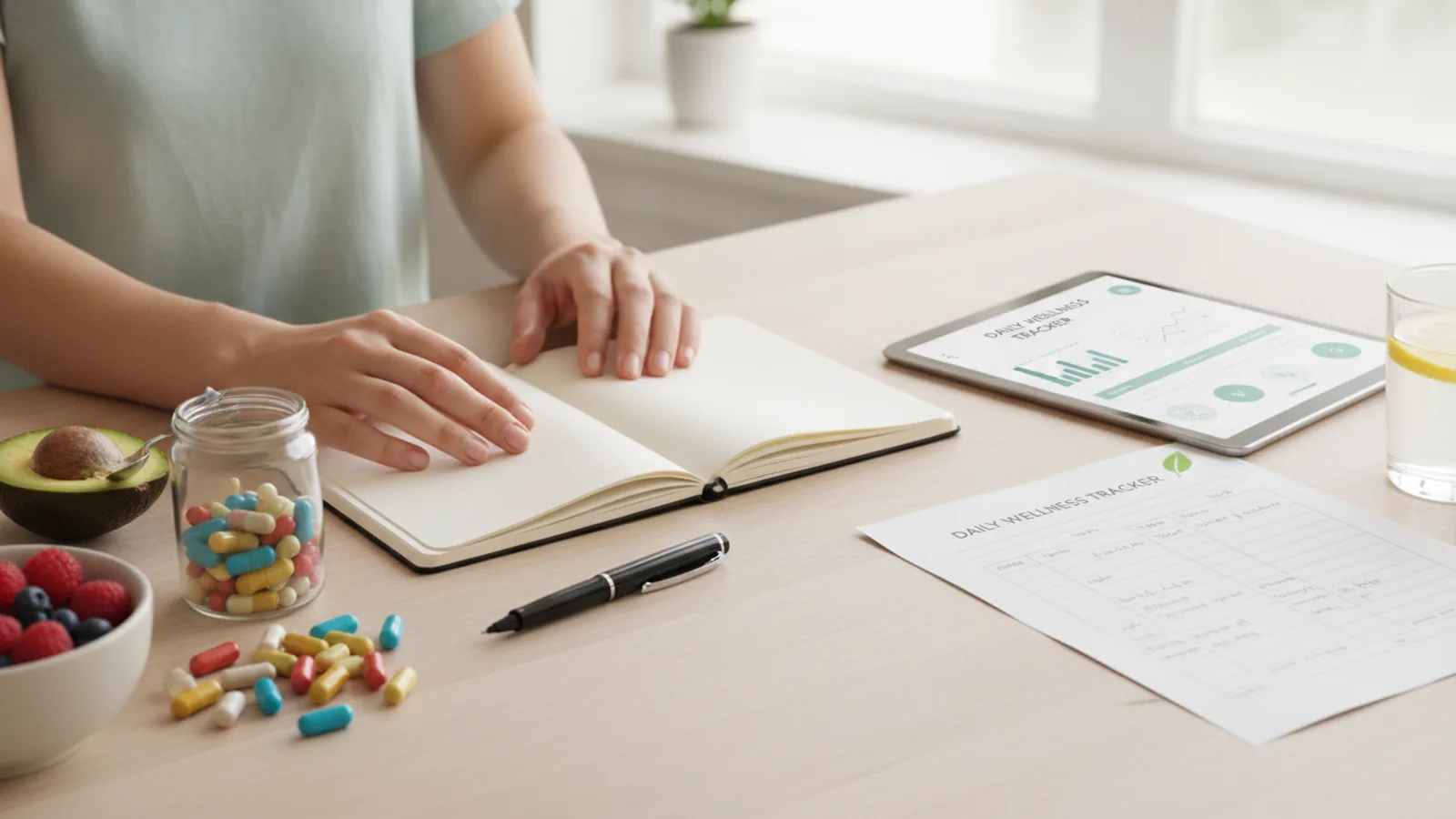
How To Plan A Simple Hydration Habit For Busy Working Days
A practical step-by-step guide to how to plan a simple hydration habit for busy working days, including preparation, instructions, common issues, tips, and next steps.
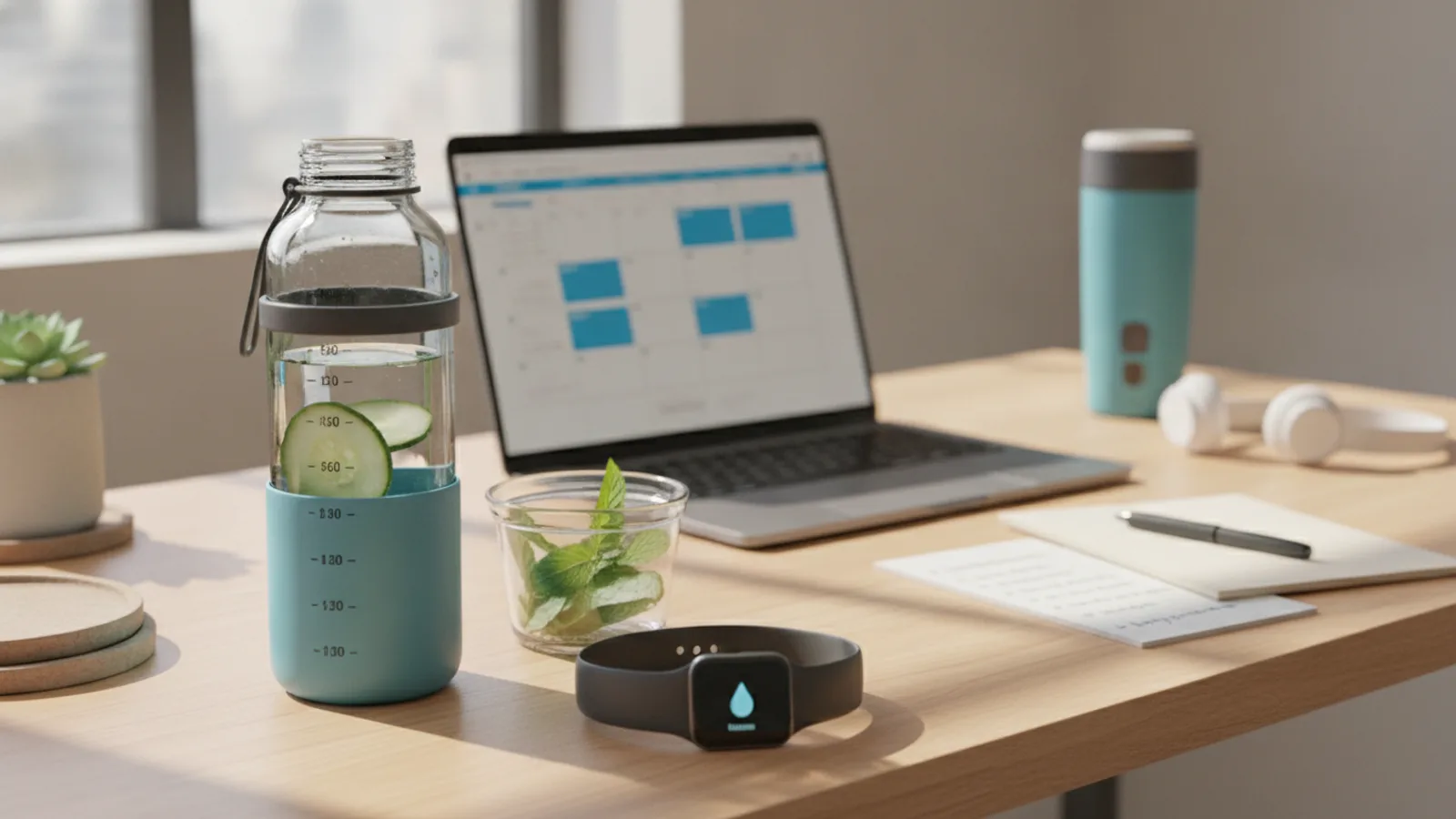
How To Plan A Simple Hydration Habit For Busy Working Days
This guide provides a simple, flexible approach to building a hydration habit during busy working days. Instead of rigid rules, you'll learn to create small anchors around your existing routines, use practical cues, and adapt quickly when schedules shift. The focus is on making water intake feel automatic, not burdensome, with clear steps to set up your day, handle distractions, and troubleshoot common setbacks. By the end, you'll have a personalized system that fits your workflow and helps you stay consistently refreshed without adding stress.
Fast Answer
- Place a full water bottle on your desk each morning and set a recurring timer every 60–90 minutes; when it rings, take five slow sips, then refill if needed.
- Link drinking water to two existing habits you already do daily, such as checking email and finishing a meeting, so that water becomes a natural part of your routine.
Before You Start
- Choose one durable, reusable water bottle with clear volume markings, and wash it daily to keep water tasting fresh and safe.
- Decide on a personal daily water goal, such as eight cups or two liters, but start with a smaller target that you know you can meet on a normal day.
- Identify two fixed points in your workday—like starting work, after a particular meeting, or before lunch—where you can consistently take a drink.
- Set a low-volume phone or computer reminder that repeats every hour or so, and make sure it's easy to snooze so it doesn't annoy you.
Step-by-Step Instructions
Set Your Baseline and Goal
Start by noticing how much water you usually drink in a typical workday. For two days, simply note every glass or bottle you finish, without judging yourself. This baseline gives you a realistic starting point. Then choose a small, achievable daily goal that is slightly above that baseline. For example, if you normally drink about three cups, set a goal of four cups for the first week. Write that goal on a sticky note and place it near your screen. This specific number makes your habit easier to track and gives you a clear target. Don't aim for a perfect amount from the beginning; instead, focus on consistent improvement. Your check: at the end of each day, count how many times you finished a full portion, and record it in a simple note. This tracking matters because it shows your progress and helps you adjust your goal as your routine evolves.
Anchor Water to Existing Cues
Instead of relying on memory, attach drinking water to actions you already do without thinking. Choose two fixed cues: for instance, every time you start your computer, take three sips; every time you stand up from your desk, take two sips. You can also link water to specific meetings: before joining a video call, finish half a glass. Write your chosen cues on a small card and keep it visible. For the first few days, deliberately pause and drink at each cue, even if you're not thirsty. This repetition builds a strong association in your brain, making water a natural part of these moments. Over time, you'll find yourself reaching for your bottle automatically. A practical check: set a daily alarm named 'cue time' and review whether you actually drank at your cues. This check matters because linking new habits to old ones is one of the most reliable ways to make them stick, and it reduces reliance on willpower alone.
Prepare Your Environment for Success
Your surroundings strongly influence your behavior, so set them up to make water easy. Keep a full bottle within arm's reach at your desk, ideally at the same spot every day. Fill it in the morning and place it next to your keyboard so you literally see it as you work. If you use a laptop, put the bottle between you and the screen, or use a mug with a straw. Also, keep a backup bottle or a glass near the coffeemaker or printer, so that when you pass by, you can take a quick sip. Remove any empty cups or clutter that might block your view. A practical check: at the start of each workday, run your hand over your desk and confirm your bottle is there and full. This check matters because if a healthy choice requires extra effort, you'll skip it on busy days; making it the path of least resistance boosts your chances of following through consistently.
Use Timers and Gentle Reminders
Set a recurring reminder on your phone or computer that goes off every 60 to 90 minutes. When it rings, take a mindful pause, drink at least five sips, and then either continue working or refill your bottle. Choose a gentle sound that won't startle you, and set it to 'snooze' so you can delay if you're in a deep conversation. If you prefer, you can use a visual cue like a timer app or a sticky note that you move each hour. The key is to make the reminder feel like a helpful nudge, not an interruption. Your practical check: after two days, look at your log and see if you drank at least once after each reminder. If not, adjust the interval to every 45 minutes or pick a different sound. This check matters because awareness is the first step to change; these gentle prompts create a mental checkpoint that interrupts your autopilot mode and allows you to make a conscious choice.
Track Progress and Adjust
Keep a simple record of your water intake, but don't make it complicated. Use a paper chart, a note app, or a tally on your phone's lock screen. At the end of each day, mark how many cups you drank and compare it to your goal. Celebrate small wins, like hitting your goal three days in a row. Then review your week: are there particular times when you consistently forget, like mid-afternoon? Use that insight to plan a new cue for that moment, perhaps by placing a water glass on your desk or moving a reminder. Your practical check: every Sunday, look at your weekly total and ask if your goal feels easy, hard, or just right. If it's too easy, increase it by one cup; if too hard, reduce it. This check matters because habits thrive on feedback—tracking gives you clear data about what works, and adjusting prevents frustration and keeps you consistently challenged, which sustains long-term engagement.
Handle Busy Days and Setbacks
Expect that some days will be chaotic, and have a backup plan ready. On high-pressure days, switch to a smaller goal: aim for half of your usual target, and use a larger water bottle with a straw so you can sip hands-free while talking or reading. If you completely miss a few hours, don't panic; simply drink a full glass at your next natural pause, such as after a call or before a break. Keep a small water bottle in your bag or briefcase so you always have access. Your practical check: at the end of such a day, write down what interfered—was it back-to-back meetings, no time to refill, or forgetfulness? Then plan one change, like keeping a backup bottle in your meeting room or setting a reminder for the worst hour. This check matters because perfection is not the goal; resilience is. Anticipating disruptions and having a simple response prevents a single busy day from derailing your entire habit, keeping you on track most of the time.
Quick Reference
| Situation | Action | Why it helps |
|---|---|---|
| You have back-to-back meetings all morning and can't step away. | Keep a large bottle outside each meeting room and take three sips whenever you enter or exit that room. | This creates an automatic habit tied to a frequent physical movement, so you hydrate without needing a break. |
| You often feel a mid-afternoon energy slump around 3 PM. | Set a recurring alarm for 2:45 PM and place a full glass of water next to your keyboard so you drink it before the slump hits. | Dehydration can worsen fatigue, so preemptively hydrating before your typical low point keeps you more alert. |
| You forget to drink when working on a complex task that requires deep focus. | Pair each completion of a work chunk, such as writing a paragraph or coding a function, with a single sip from a bottle placed at the edge of your vision. | Linking water to task completion makes it part of your workflow and provides a mental prize, increasing both focus and hydration. |
Common Issues
- You dislike the taste of plain water or forget to drink because it feels boring.: Add natural flavor by infusing a pitcher with slices of lemon, cucumber, or berries overnight. Alternatively, keep a small bottle of unsweetened flavored water handy. For taste variety, try drinking sparkling water or adding a splash of fruit juice. The key is to make water more enjoyable, so you're more likely to reach for it. Experiment with different combinations to find what you like.
- You frequently forget to refill your bottle, so it's empty by mid-morning.: Set a second reminder an hour after your typical refill time, or place a large pitcher of water on your desk so you can top up without walking. Also, keep a backup bottle in your bag or on a counter you pass often. If possible, use a bottle with a volume marker to track refills. Aim to refill your bottle at same times daily, like after lunch.
- You get busy and simply don't think about water until you feel thirsty or headachy.: Use a visual or auditory cue that doesn't depend on memory, such as a moving sticky note or an hourly chime. Tie a drink to an existing frequent action, like checking your phone for notifications. Place a water bottle at every location where you spend time, including your car or meeting area. This ensures water is always within arm's reach, reminding you to sip.
Advanced Tips
- Use a water bottle with a straw because it increases flow and requires less lifting, making it easier to sip frequently while typing or reading.
- Monitor the color of your urine as a simple, natural indicator of hydration—pale straw is generally a good sign, but always consult a doctor for personalized advice.
- Incorporate a 'hydration break' into your calendar as a recurring event, just like a meeting, to give it the same importance and protect that time.
Final Checklist
- I have chosen a reusable bottle with clear volume marks and washed it thoroughly.
- I have set a realistic daily goal, such as five cups, and posted it where I'll see it multiple times a day.
- I have identified at least two daily cues, like starting my computer or ending a call, and I plan to drink at each cue.
- I have placed a full bottle within arm's reach at my desk and set a gentle hourly reminder to sip.
FAQ
How much water should I drink each day?
There is no one-size-fits-all amount because your needs depend on your body size, activity level, climate, and health. A common general guideline is about eight cups (roughly two liters) for many adults, but you may need more if you sweat a lot or less if you're in a cool environment. The best approach is to start with a small goal you can easily meet, then adjust based on your thirst, energy, and perhaps the color of your urine. Always consult a healthcare provider for personalized advice, especially if you have medical conditions.
What if I forget to drink during a busy day?
It's normal to forget, so plan for it. Use an hourly timer on your phone or computer, and pair drinking with a common activity like checking email or standing up. Keep a full bottle near your work area at all times, and if you do miss several hours, simply drink a full glass at your next natural pause—like after a meeting or before lunch. Don't punish yourself; instead, set a new reminder and adjust your cues based on what didn't work.
Can I count coffee or tea as part of my water intake?
Yes, in moderate amounts, caffeinated beverages like coffee and tea can contribute to your daily fluid intake, but they also have mild diuretic effects that vary by person. For practical purposes, count water, herbal tea, and other liquids as fluid, but be mindful that caffeine may make you urinate more. The best practice is to rely primarily on plain water, and if you drink coffee, simply add a glass of water alongside it to maintain balance.