Common Mistakes When Planning A Food And Symptom Note For Everyday Digestion
A practical step-by-step guide to common mistakes when planning a food-and-symptom note for everyday digestion, including preparation, instructions, common issues, tips, and next steps.
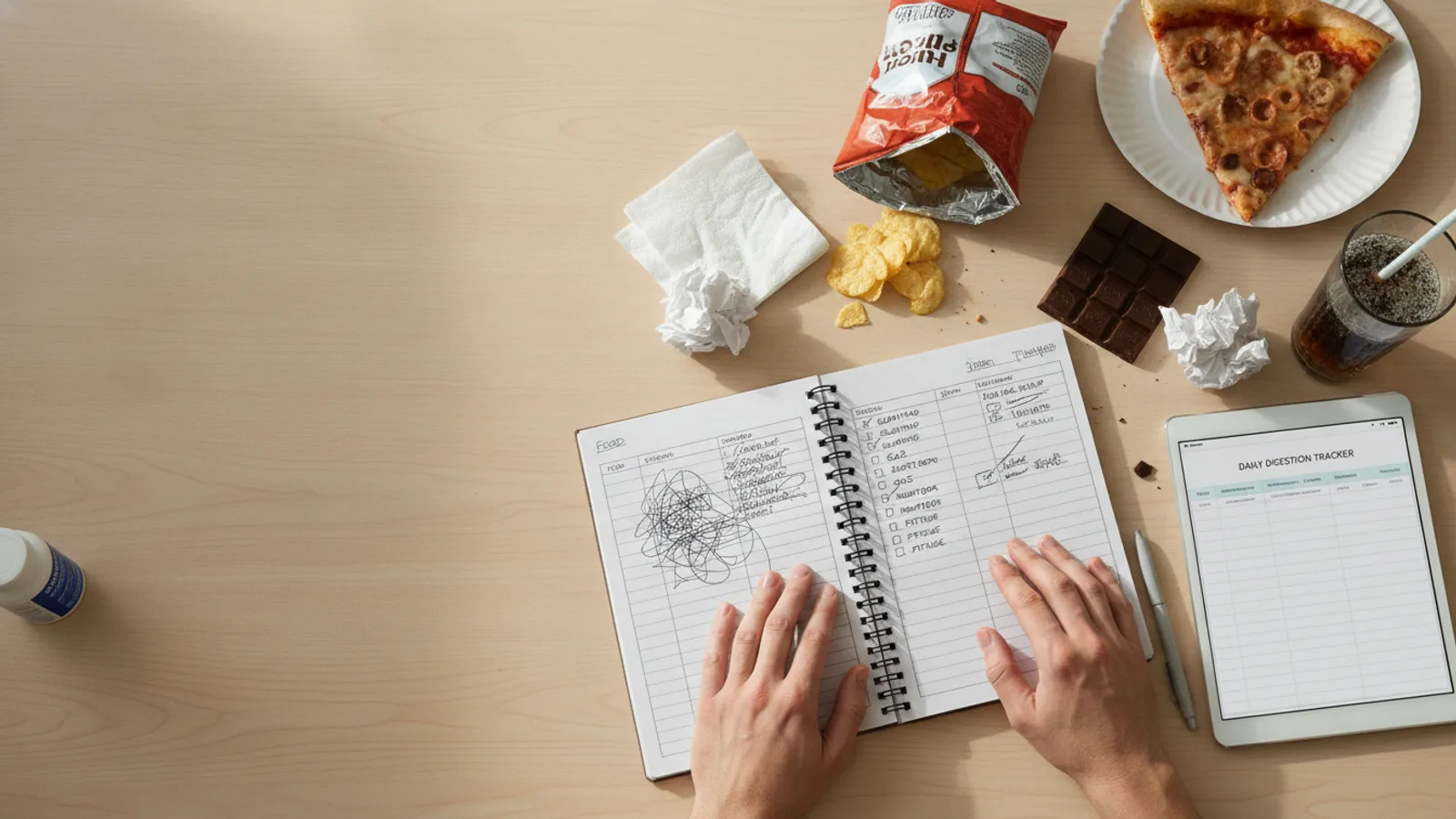
Common Mistakes When Planning A Food And Symptom Note For Everyday Digestion
Keeping a food-and-symptom note for everyday digestion can turn confusing gut reactions into a clear pattern. Many people record what they eat but forget to note time, portion size, or context, making the diary less useful. This guide covers the most common mistakes, from vague entries to missing symptom timing, and shows you how to fix them with simple, consistent habits. You'll learn what to record before you start, how to structure each note, and how to review the data for real insights. By following this approach, you can spot triggers, notice safe foods, and have a practical log to share with a healthcare provider if needed.
Fast Answer
- Note the exact portion size and preparation method, not just the food name, because a large serving or fried version can trigger symptoms while a small baked portion may not.
- Record the time of each meal and the time of any symptom, then look for a consistent gap, as delayed reactions are common and easy to miss without a timestamp.
Before You Start
- Get a dedicated notebook or a simple digital notes app, but pick one you will use every day without fuss; the goal is consistency.
- Decide on a standard set of shorthand terms for symptoms, such as 'bloat', 'gas', 'pain', 'burn', or 'nausea', so entries stay quick and uniform.
- Prepare a small checklist of details to include every time: date and time, food and drink, portion size, preparation method, symptoms, and any other factors like stress or sleep.
- Set a daily reminder on your phone or place the notebook on your kitchen counter to prompt you to log right after eating, not later from memory.
Step-by-Step Instructions
Choose a Simple and Consistent Recording Method
Start by picking one method that feels easy enough to use daily. A small pocket notebook, a dedicated app, or a simple spreadsheet all work, but the key is consistency. If you switch between tools, you may lose entries or forget to log. Keep the same notebook or app open at a regular spot, like on the kitchen table or on your phone's home screen. Write down what you ate or drank as soon as possible after each meal or snack. This prevents memory lapses and makes the entry more accurate. A practical check is to review your entries after two days to see if you skipped any meals or snacks. If you miss three entries in a week, simplify your template or set a reminder. The reason this matters is that a complete record is necessary to spot patterns; missing data creates gaps that hide triggers.
Record the Exact Time of Every Meal and Symptom
Write the start time of each meal or snack, not just the date. Use the actual clock time, such as 8:15 AM, rather than 'morning'. Also write the time when any symptom begins, ends, or peaks. For example, if you feel bloated at 11 AM after a 9 AM snack, write both times. Do not assume that the reaction is immediate; many food sensitivities appear hours later. A practical check is to look at your notes after a week and calculate the typical gap between eating and a symptom for a few foods. If you see a consistent delay, such as two hours, remember that for future entries. The reason this matters is that identifying the timing helps you trace a symptom back to a specific meal, even if you have eaten several things in a day.
Describe Portion Sizes and Preparation Methods Accurately
Do not just write 'salad' or 'pasta'. Note the approximate portion size, such as 'one large bowl' or 'two slices', and the preparation method, like 'grilled' versus 'fried' or 'raw' versus 'cooked'. This detail is essential because the same food can cause different reactions depending on how it is prepared. For example, raw onions may trigger more gas than cooked ones. Also record any sauces, dressings, or hidden ingredients that you can identify. A practical check is to ask yourself, 'Could I tell this entry apart from another version of the same food?' If not, add more detail. The reason this matters is that portion size and preparation often change the effect on digestion, giving you more precise insights.
Include All Foods, Beverages, and Even Small Bites
Every time you swallow a piece of candy, sip a flavored coffee, or grab a handful of crackers, write it down. Do not omit small items because you think they are trivial. Gum, breath mints, and even water with added flavorings can contain ingredients that trigger symptoms. Record everything you consume, including plain water, if you are trying to notice patterns. A practical check is to do a mental review at each meal: 'Did I log everything since the last entry?' If you realize you missed a snack, go back and add it right away, even if you do not remember the exact time. The reason this matters is that a single missed item can be the key trigger, and a seemingly complete diary with gaps is misleading.
Rate Symptom Severity and Note the Specific Sensation
Do not write 'felt bad'. Instead, write the type of symptom, such as 'dull ache', 'sharp pain', 'bloating', 'heartburn', or 'irregular bowel movement'. Then rate it on a scale of 1 to 10. This gives you a way to compare days and foods. A practical check is to use the same scale every time; if you rate bloating a 5 on Monday, it should mean the same on Wednesday. Also note how long the symptom lasts. The reason this matters is that a vague description like 'upset stomach' does not tell you if the reaction is mild or severe, while a numeric score helps you see patterns that are easy to miss.
Review Your Notes Weekly to Find Patterns and Adjust
Set a time each week to read through your past seven days of entries. Look for foods that appear repeatedly before symptom clusters. Do not try to analyze while you are eating; do it calmly in a quiet moment. Make a simple list of foods that you suspect or that show a clear correlation. Then, if you are willing, test one suspected trigger by removing it for a week and then reintroducing it while you keep logging. A practical check is to ask yourself if any food appears in at least three separate symptom episodes before you call it a trigger. The reason this matters is that a single coincidence does not prove a connection, but a recurring pattern is more reliable and gives you something to discuss with a professional.
Quick Reference
| Situation | Action | Why it helps |
|---|---|---|
| You eat a meal and feel bloated an hour later, but you are not sure which ingredient caused it. | Write the time you started eating, the time the bloating began, and list all food items with approximate portions, and then compare with your notes from the previous week. | You need to capture the timing and full ingredient list to connect the symptom to a specific food, and a weekly comparison helps you see if that food always causes bloating. |
| You are out to dinner and cannot remember the exact ingredients in a dish. | Ask the server for a breakdown of the dish, or if not possible, write down the main items you can see and taste, and later add a note like 'contains onions likely'. | Accurate details matter for spotting triggers, and a short note about missing ingredients is better than a blank entry that you cannot analyze later. |
| You feel a symptom only once and wonder if you should change your diet based on it. | Keep logging as usual for another week without eliminating the food, and then review if the symptom repeats with that food before removing it. | A single occurrence is often a coincidence, so a pattern of at least three episodes gives you more confidence that the food is a true trigger. |
Common Issues
- Entries are vague, like 'ate pasta' without size or sauce.: Create a simple template that includes portion, preparation, and any extras like oil or cheese, and fill it out every time, even for snacks.
- Symptoms are described with mood words like 'felt terrible' instead of a specific type and severity.: Use a standard list of symptom types (bloating, gas, pain, heartburn) and rate each from 1 to 10, so you have consistent, comparable data.
- You forget to log a snack and later cannot recall what you ate.: Keep a small notebook or phone note with you and enter the snack immediately, or set a reminder after each hour to check if you have had anything unrecorded.
Advanced Tips
- If you drink coffee or tea, note the amount and any add-ins like milk or sweeteners, because this can affect digestion as much as food.
- Pay attention to the speed of eating; if you often eat on the run, add a note about that, since rushed meals can change symptoms.
- Track your bowel movements separately, with time and consistency, using the Bristol stool scale as a common reference, to give more context to your food notes.
Final Checklist
- Have I recorded the exact time of every meal and snack, even small ones, with no gaps?
- Did I include portion size, preparation method, and specific names of foods and drinks?
- Did I rate each symptom's severity on a scale of 1 to 10 and describe its type?
- Have I reviewed this week's notes and looked for foods that appear with symptoms at least three times?
FAQ
How long should I keep the food and symptom diary before I can see a pattern?
Most people see patterns within 2 to 4 weeks if they log consistently. However, dietary triggers can vary, so give yourself at least a month to cover different situations like weekends, workdays, and occasional meals. The key is to keep entries complete and to review them weekly rather than waiting until you have a huge pile of notes.
What should I do if I suspect a food is causing my symptoms?
Do not eliminate the food immediately without evidence. First, continue logging for a week and see if that food appears in at least three symptom episodes. If you still suspect it, remove that food for two weeks while you keep the diary, then reintroduce it once on a day when you are ready to observe a reaction. Always discuss this with a healthcare provider, especially if you have significant digestive issues.
Can I use a note app on my phone instead of paper?
Yes, a phone app is convenient and easy to use. The best method is the one you will use consistently. If you choose an app, decide on a specific app and use it every time. Many apps allow you to add timestamps and notes, which is ideal. Just be careful not to get distracted by over-engineering the app; simplicity is key to keeping a lasting habit.