Common Mistakes When Planning A Cautious Supplement Label Check Before Buying
A practical step-by-step guide to common mistakes when planning a cautious supplement-label check before buying, including preparation, instructions, common issues, tips, and next steps.
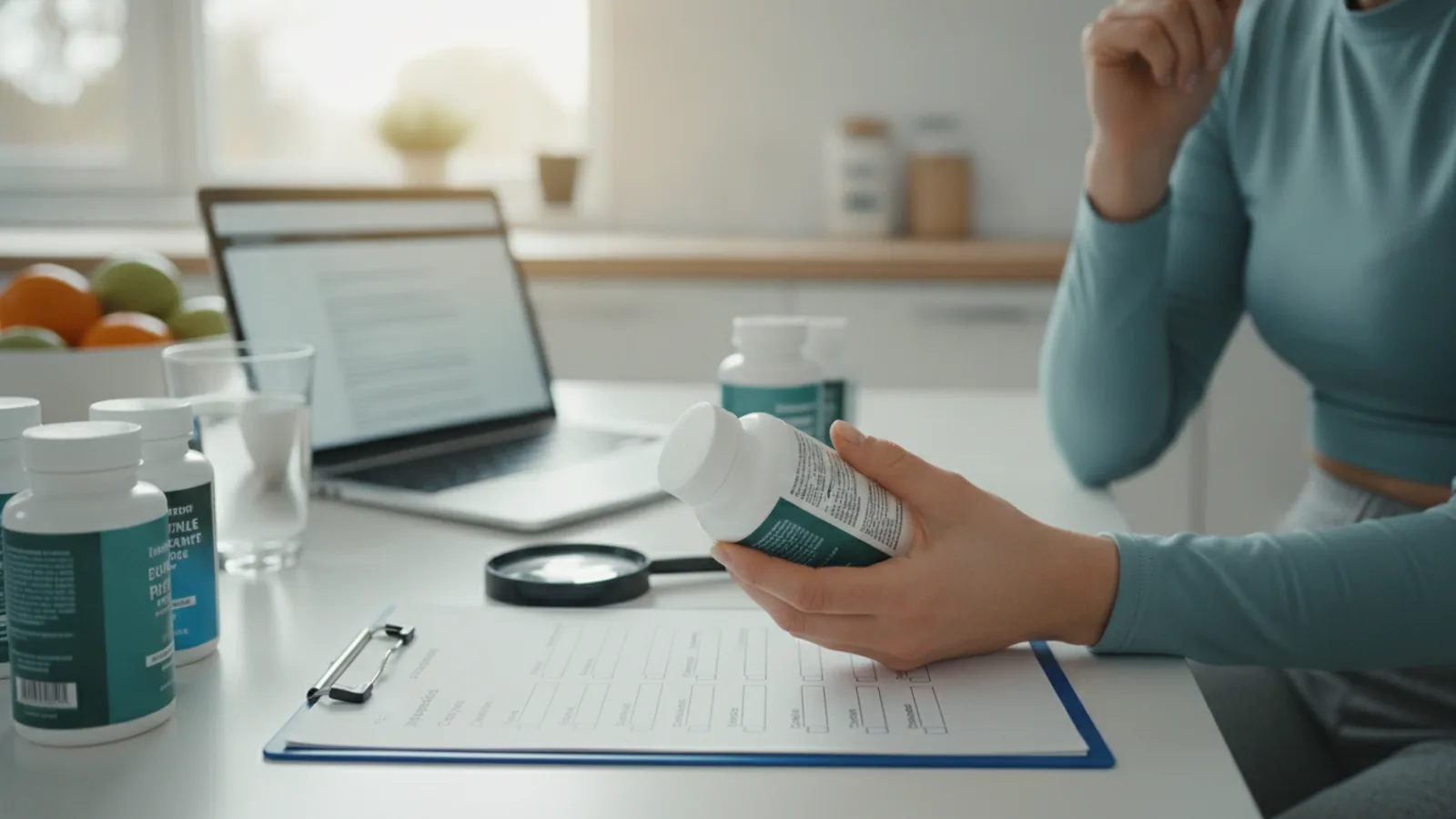
Common Mistakes When Planning A Cautious Supplement Label Check Before Buying
Reviewing a supplement label before buying can protect you from wasted money, unwanted ingredients, and potential side effects. Many people make avoidable mistakes by skimming the front of the package, ignoring the fine print, or misunderstanding serving sizes. This guide walks you through a careful, step-by-step label check that focuses on what you can verify yourself: the ingredient list, the supplement facts panel, serving sizes, and your own health needs. It helps you spot common red flags like misleading marketing terms, hidden allergens, and excessive doses. You will learn how to prepare, which details matter most, and how to make a confident decision. The advice is practical and not tied to any specific product, so you can apply it to any supplement you consider.
Fast Answer
- Start by reading the Supplement Facts panel from top to bottom, noting the serving size and all ingredients, and then verify which ingredients you actually need.
- Cross-check the ingredient list against your known allergies or medications, and refuse to buy any supplement whose label you cannot fully understand.
Before You Start
- Before picking up a bottle, write down the specific nutrient or health goal you want to address, so you can focus on the relevant label details.
- Make a list of any allergies or dietary sensitivities you have, and bring it with you to compare against the ingredient list.
- Review the medication or other supplements you take daily, because you will need to check for possible interactions with the new product.
- Decide on a realistic budget for the purchase, but keep in mind that price alone should not drive your decision; you will still check the label thoroughly.
Step-by-Step Instructions
Turn the bottle and find the Supplement Facts panel
Your first action is to physically turn the container around, if it is on a shelf, or carefully rotate the product image if you are shopping online. Look for a rectangular box labeled 'Supplement Facts' that lists the active ingredients, serving size, and other details. This panel is the only standardized part of the label that tells you what is actually in the product. Do not start reading the front or side claims yet. Once you locate the panel, check that the text is fully legible and not obscured by stickers or a shrink wrap. If you cannot read the panel without a struggle, put the product back and choose another. The point of this check is to confirm that you can access the information you need, because a label you cannot read is a label you cannot evaluate. This first step sets the foundation for all the checks that follow, so do not skip it even if you are in a hurry.
Read the serving size and number of servings
Find the line that states 'Serving Size', which tells you the exact amount that the nutrition information applies to, such as one tablet, two capsules, or one scoop. Right below that, you will see 'Servings Per Container', which tells you how many of those servings are in the bottle. Multiply the serving size by the number of servings to understand how long the product will last. Many mistakes happen when people assume one capsule is the full dose, but the label may require two capsules per serving. This matters because the daily cost and the dose you actually consume depend on the serving size. Also note that some products list a 'Suggested Use' or 'Directions' elsewhere, but the Serving Size on the panel is the official figure. Compare that number to what you plan to take, and if you intend to take half the recommended serving, you need a different arithmetic. This check prevents accidental overdosing or running out of the product sooner than expected.
Scan the full ingredient list for hidden additions
Look for the word 'Ingredients' printed below the Supplement Facts panel. This list includes everything in the product, such as fillers, binders, flavorings, and preservatives. Read it from beginning to end, not just the first few items. If you have a known allergy or sensitivity, scan for those specific names, but also be alert for general terms like 'natural flavors' or 'spice blend', which can hide allergens. Check for ingredients you personally avoid, such as gluten, soy, dairy, or artificial colors. Keep in mind that the ingredient list is separate from the Supplement Facts panel, and the panel may list only the active ingredients, not the excipients. Also note the order, because manufacturers list ingredients by weight from most to least, but you cannot know exact amounts. The purpose of this scan is to ensure you are comfortable with every component in the product. If you see an ingredient you do not recognize, you can look it up later, but at minimum you should be aware it exists.
Identify the active ingredients and their doses
On the Supplement Facts panel, locate the column of 'Amount Per Serving' for each active ingredient. Compare the dose of each ingredient to your own goal, not to the front-label claim. For example, if you are looking for vitamin D, find the line that says 'Vitamin D' and note the amount in international units, then compare that to your recommended daily allowance if you know it. Be particularly careful with ingredients that have a narrow safe range, such as certain minerals or fat-soluble vitamins. Also note that some products combine multiple active ingredients, so you need to evaluate the total daily dose if the serving size requires more than one tablet. This step is essential because a label may list an ingredient without showing a sufficient dose, or it may contain an excessively high dose that could be unsafe. Always check the percent daily value if provided, but also consider that some ingredients do not have a daily value, so you must use your own knowledge or consult a reliable source.
Check for allergens and dietary warnings
Inspect the label for a separate 'Contains' statement, such as 'Contains: milk, soy', which indicates major allergens. Also review the ingredient list for any allergen names that may not appear in the 'Contains' line, because regulations may not require listing every potential allergen. If you are vegan, vegetarian, or follow a religious diet, check for gelatin capsules, stearic acid, or animal-derived ingredients. Many supplements use capsules from gelatin or additives like lanolin, so you cannot assume a product is plant-based. Also look for warning statements, such as 'Consult your physician if you are pregnant, nursing, or taking medication'. Those warnings are there for a reason, so take them seriously. The goal is to confirm that this product will not harm you given your personal health status and dietary practices. Do not rely on the front label's photos or logos, as they may imply a certain diet compatibility that is not true. Read every line, and if you are unsure, avoid the product until you can verify.
Verify the label agrees with your health plan
After completing the label review, pause and ask yourself a few final questions. Does the serving size match what you are willing to take daily? Are any of the active ingredients known to interact with your medications or existing conditions? For example, if you take blood thinners, you should be cautious about vitamin K or high-dose fish oil, but this is not a complete list; you must check your own medications. Also consider whether you actually need this supplement. A label may look impressive, but if you already get enough of the nutrient from food, the supplement may be unnecessary. Use this step to make a deliberate, informed decision, not an impulse buy. If you have any doubts, set the bottle down and do more research later. The entire label check has been about gathering the right facts, and now you apply those facts to your personal situation. This final step turns the label from a piece of design into a tool for health, helping you buy only what is appropriate.
Quick Reference
| Situation | Action | Why it helps |
|---|---|---|
| You see a 'Serving Size' of 2 capsules but you usually take 1 capsule of other supplements. | Read the entire supplement facts panel, note the total amount per 2 capsules, and calculate the dose for your intended 1 capsule to see if it meets your need. | This prevents underdosing or overdosing, as the listed 'Amount Per Serving' applies to two capsules, not one, and your actual intake changes the effective dose. |
| The ingredient list includes 'natural flavors' but you have a food allergy to a common flavor derivative. | Phone the manufacturer or search their website for a detailed breakdown of the natural flavors, and, if you cannot verify, choose a different product with a transparent labeling. | Allergen labeling may not cover every possible hidden ingredient, and a direct check ensures you control your exposure rather than risking a reaction. |
| The supplement label shows a high dose of a fat-soluble vitamin, such as vitamin A, but you already take a multivitamin that contains that same vitamin. | Add up the amounts from both products to get your total daily intake, and compare that to the safety upper limit for that nutrient. | This prevents you from unknowingly exceeding the safe level, which can cause toxicity and health problems over time. |
Common Issues
- You are drawn to a product because the front label says 'mega strength' or 'doctor recommended'.: Ignore the front label entirely and read the Supplement Facts panel to see the actual dose. If the dose is not higher than a standard product, the claim is just marketing. Learn to evaluate the numbers, not the adjectives.
- You assume that 'natural' means the supplement is safe and has no side effects.: Remember that natural substances can still have strong effects or interact with drugs. Check the specific ingredients and their doses, and consult a healthcare provider if you have medical conditions, instead of trusting the word 'natural'.
- You choose a supplement based on brand reputation without ever looking at the label.: Even a trusted brand can make a product that is not right for you. Always do the same label check for every product, regardless of brand name. Make the habit of verifying the ingredients, serving size, and warnings per product.
Advanced Tips
- Learn to spot common synonyms for ingredients, such as 'ascorbic acid' for vitamin C or 'calciferol' for vitamin D, so you can identify them even when the label uses a chemical name.
- Search for the manufacturer's certificate of analysis or batch-specific testing results online, which can show whether the product matches the label claims, but always check that the document is current and for the exact product.
- Keep a personal record of the supplements you take, including the exact serving size and ingredients, so you can compare future purchases against your baseline and avoid accidental duplication.
Final Checklist
- I have read the Supplement Facts panel, noting the serving size, number of servings, and the amount of each active ingredient.
- I have checked the complete ingredient list for allergens, additives, and ingredients I choose to avoid, and I understand every listed item.
- I have calculated my total daily intake of any nutrient that appears in other supplements I take, and I am confident the dose is appropriate.
- I have confirmed that the label includes a valid supplement facts panel, a clear ingredient list, and any necessary warnings, and I have not been misled by front-label claims.
FAQ
Why is it important to look at the serving size on a supplement label?
The serving size tells you the exact amount that the nutrient values refer to. Many supplements require multiple capsules per serving, and if you only take one, you get a lower dose than what the label lists. Conversely, if you take more than the serving size, you might get a higher dose than intended. Ignoring the serving size can lead to underdosing or overdosing, so you must always check it and calculate your actual intake.
What is the difference between the Supplement Facts panel and the ingredient list?
The Supplement Facts panel shows the active ingredients, their amounts, and the serving size. The ingredient list includes everything in the product, including inactive ingredients like fillers, binders, and flavorings. Both are important: the panel tells you what the supplement is meant to provide, while the ingredient list tells you what else you are consuming. For example, you might find a vitamin D amount in the panel, but the ingredient list could also reveal that the product contains soy or gluten.
Can I trust the claims on the front of a supplement label?
You should be very cautious about front-label claims. Terms like 'natural', 'fast acting', or 'doctor recommended' are marketing phrases that are not strictly defined or verified. They do not tell you the actual dose or ingredient quality. The only reliable information is found in the Supplement Facts panel and ingredient list. Always read those sections, and make your decision based on the facts, not the promotional words.